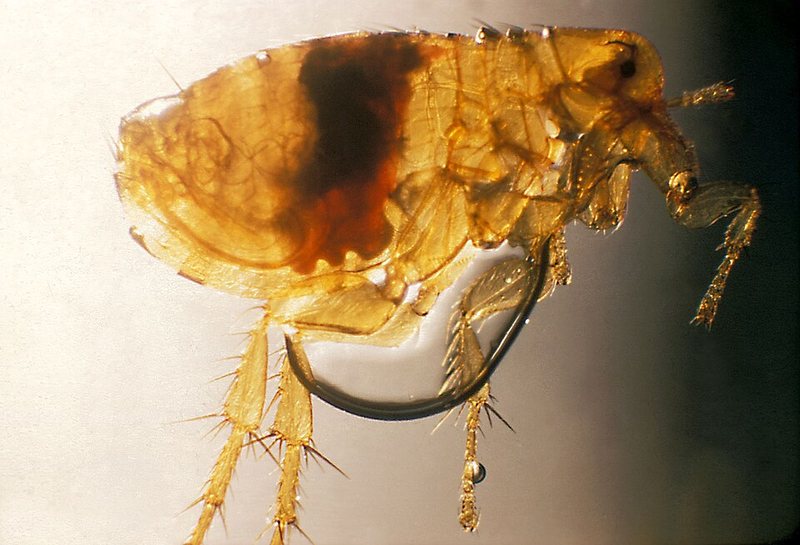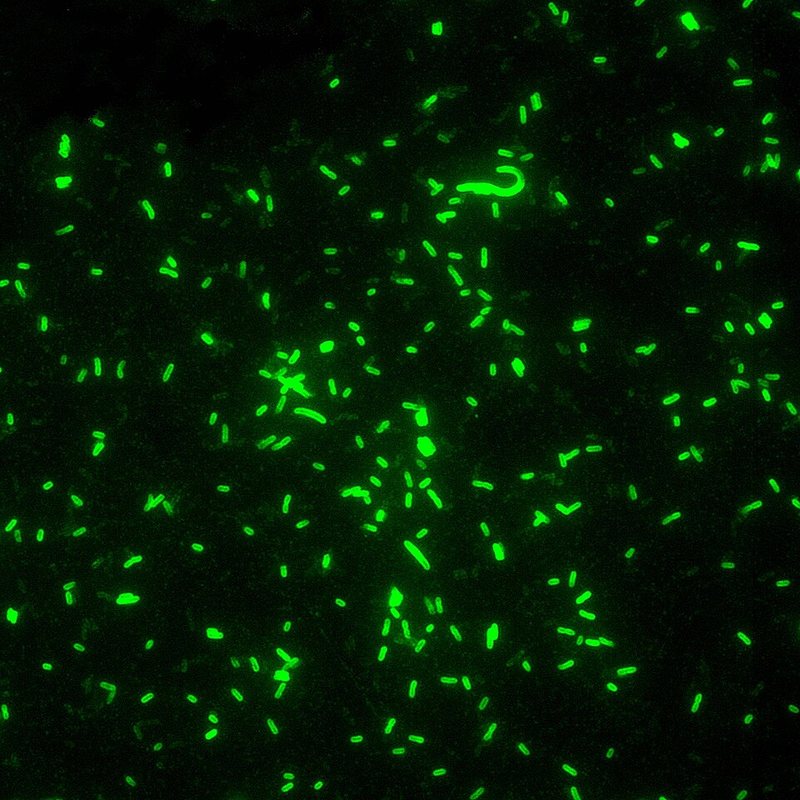
Pneumonic plague is the form of plague in which the bacterium Yersinia pestis infects the lungs. It can be primary, when a person breathes in bacteria coughed out by a person or animal with plague pneumonia, or secondary, when untreated bubonic or septicemic plague spreads to the lungs. CDC calls it the most serious form of plague and the only form that can spread from person to person.
That last point is why pneumonic plague draws attention whenever a suspected case is reported. This page covers what the disease is, how it spreads, how it is treated, and where the suspected case in Irkutsk stands.
How it differs from other forms of plague
WHO's plague fact sheet (updated 29 September 2026) describes three main clinical forms. Bubonic plague is the most common; pneumonic plague is less common but, in WHO's words, the most virulent.
| Form | What is infected | Usual route in | Spread between people |
|---|---|---|---|
| Bubonic | Lymph nodes | Bite of an infected flea | Rare, according to WHO |
| Septicemic | Bloodstream | Flea bite or handling an infected animal; can also follow other forms | Not person to person, according to CDC |
| Pneumonic | Lungs | Breathing in infectious droplets, or spread from untreated bubonic or septicemic plague | Yes, through respiratory droplets |
So one person can start with bubonic plague and go on to develop pneumonic plague if the infection is not treated. For a fuller side-by-side, see pneumonic vs bubonic plague.
Pneumonic plague symptoms
The illness can start quickly. WHO says the incubation period of pneumonic plague can be as short as 24 hours, and CDC likewise says it can be as short as one day after the bacteria are inhaled; the incubation period explainer covers what that term means.
CDC and WHO describe the disease in similar terms:
| Feature | CDC's description | WHO's description |
|---|---|---|
| General illness | Fever, headache and weakness | Symptoms appear quickly, sometimes in under 24 hours |
| Lungs | Pneumonia that develops rapidly, with shortness of breath | Severe respiratory symptoms, including shortness of breath |
| Chest | Chest pain and cough | Coughing |
| Sputum | Sometimes bloody or watery mucus | Often tinged with blood |
These descriptions come from CDC's signs and symptoms page (reviewed May 2024) and WHO's fact sheet. They describe the disease as public health agencies see it; they are not a way for readers to judge their own symptoms. Questions about anyone's health belong with a doctor or the local health department (see our medical disclaimer).
Can it spread between people?
Yes, but it takes close contact. CDC explains that a person or animal with plague pneumonia can cough out droplets that contain the bacteria, and someone who inhales them can develop pneumonic plague. CDC adds that this typically requires direct and close contact with the sick person or animal, and that these droplets are the only way plague spreads between people.
CDC's guidance for responding to a plague bioterrorism event (reviewed August 2024) is more specific: person-to-person spread of pneumonic plague happens through respiratory droplets, not fine aerosols, and it describes close contact as being within 6 feet (about 2 meters) of a patient. That places pneumonic plague on the droplet side of the airborne vs droplet divide, rather than among diseases such as measles that spread through the air over longer distances.
WHO notes that because pneumonic plague passes between people, it can cause outbreaks. That is why the response focuses on the people around a patient:
- Patients are isolated. CDC guidance keeps patients under standard and droplet precautions for the first 48 hours of antibiotic treatment and until they improve. Transmission-based precautions explains what hospitals do and why.
- Close contacts are followed up. WHO recommends identifying and monitoring close contacts and offering them preventive antibiotics. The difference between isolating patients and quarantining contacts is covered in isolation vs quarantine.
In short: pneumonic plague spreads through droplets from someone who is ill with it, usually at close range. The PlaguePrimer team found no WHO or CDC page that describes it spreading through the air over long distances.
How is pneumonic plague treated?
Plague can be treated with common antibiotics, and early treatment matters. WHO's fact sheet says common antibiotics can cure pneumonic plague if they are given early, and that recovery rates are high when it is detected and treated within 24 hours of symptoms starting. CDC says prompt treatment with the correct medicines is critical to prevent complications or death.
Without treatment, the outlook is poor. WHO's plague fact sheet (updated 29 September 2026) says the pneumonic and septicemic forms are "invariably fatal unless treated early," and that untreated pneumonic plague can be fatal within 18 to 24 hours of illness onset.
Which medicines to use, and for how long, is a decision for doctors, so this page does not list them.
The suspected case in Irkutsk
Pneumonic plague is in the news because of a suspected case in Irkutsk, Russia. The case has not been confirmed as plague.
- 2 October 2026: According to the WHO Director-General, media reports of a suspected case of pneumonic plague in a laboratory worker in Irkutsk emerged on this date.
- 6 October 2026: A WHO spokesperson told reporters in Geneva that the worker's contacts had reportedly been identified and were being monitored, and that none had shown symptoms of illness so far (UN News, 6 October 2026).
- 7 October 2026: The WHO Director-General said Russian authorities had told WHO that no case of plague had recently been reported in the Irkutsk oblast, and that about 200 contacts had been placed in quarantine. WHO asked for more information and said it did not yet have the full picture of the event.
- 10 October 2026: In a Disease Outbreak News report, WHO said Russian authorities had told it that tests on the worker and all contacts, including for plague, were negative for dangerous pathogens, and that the death was classed as pneumonia of undetermined etiology. WHO said it had not received information identifying the cause.
For the full timeline, and which claims are confirmed, reported or unconfirmed, see what happened in Irkutsk. The PlaguePrimer team adds new official statements to the latest updates as they are published.