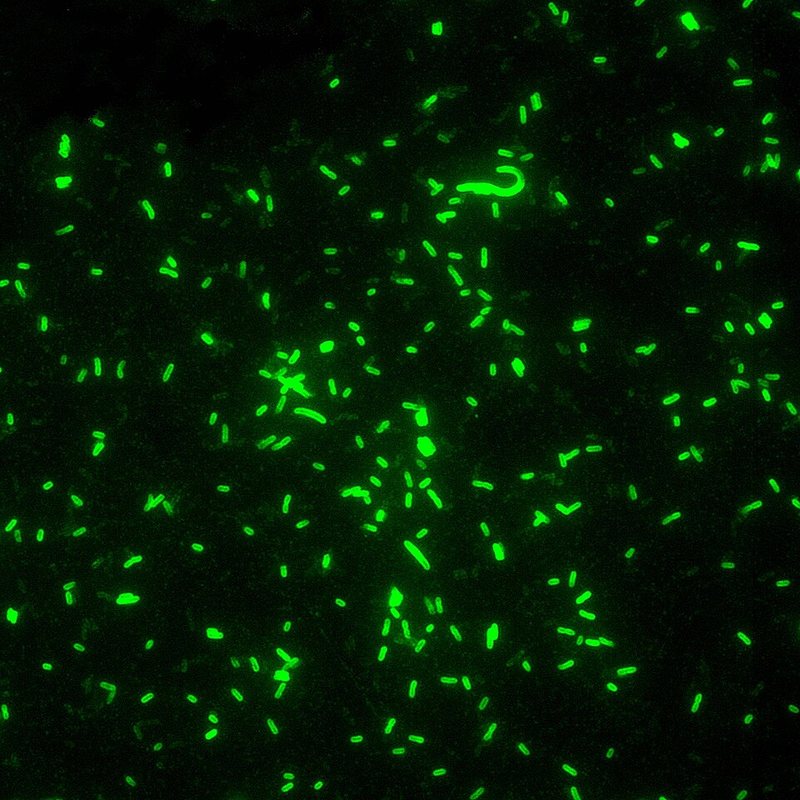
An incubation period is the time between becoming infected and the first symptoms of illness. It ends when a person first notices signs of disease, such as a fever. For plague, WHO says symptoms often start one to seven days after infection, and pneumonic plague can take as little as 24 hours. Health authorities use the incubation period to decide how long people who were exposed should be watched.
What is an incubation period?
A public health reference, the International Encyclopedia of Public Health (2017), defines the incubation period as the time from exposure to an infectious agent until the first signs or symptoms of disease. It is followed by the period of clinical illness.
The length is not fixed. A 2007 review in Emerging Themes in Epidemiology explains that it depends largely on how fast the germ multiplies, how the disease develops and how the infection entered the body. Because it varies from person to person, agencies quote it as a range rather than a single number.
Plague shows how much the route matters. After a flea bite, WHO says the bacteria first travel to the nearest lymph node, where they multiply and cause bubonic plague. When bacteria are breathed straight into the lungs, the result is pneumonic plague, which can cause symptoms within about a day.
Incubation period vs latent period vs infectious period
The incubation period is about symptoms. Two related periods are about spread, and they do not always line up with it. The same encyclopedia chapter and the 2007 review define them this way:
| Term | Starts | Ends | What it tells you |
|---|---|---|---|
| Incubation period | Infection | First symptoms | When illness becomes visible |
| Latent period | Infection | Person can infect others | When spread can begin |
| Infectious period | Person can infect others | Person can no longer infect others | How long spread is possible |
| Serial interval | Symptoms in one person | Symptoms in the person they infected | How quickly cases follow each other |
The gap between the first two rows is what matters for control. If the latent period is shorter than the incubation period, people can pass on an infection before they feel ill. If spread starts only when symptoms do, finding and isolating sick people works much better. The 2007 review notes that when people become infectious well before symptoms, isolating the sick is likely to be ineffective on its own.
Here is how that plays out for a few well-known diseases:
| Disease | Spread before or without symptoms? | What health agencies say |
|---|---|---|
| Influenza | Possible | CDC (updated September 2024) says flu viruses can be detected in most infected people from one day before symptoms develop. |
| COVID-19 | Yes, even with no symptoms | CDC (June 2024) says people infected with COVID-19 can spread it even if they have no symptoms. |
| Ebola | No | WHO (April 2025) says people cannot transmit Ebola before they have symptoms. |
| Pneumonic plague | Not usually | A review and a modeling study of past outbreaks find spread usually happens later in the illness (see below). |
Is pneumonic plague contagious before symptoms?
CDC says pneumonic plague is the only form of plague that can spread from person to person. Evidence on when that spread happens comes mostly from records of historical outbreaks.
A 2005 review in Clinical Infectious Diseases concluded that people with plague usually pass it on only in the late stage of the disease, when they cough up large amounts of bloody sputum, and only through close contact.
A 2004 modeling study in Emerging Infectious Diseases, built on records from 20th-century outbreaks, used the same pattern: a period with no symptoms, then a period of illness during which the person can infect others. From untreated cases, it estimated an average of about 4.3 days before that infectious, symptomatic phase and about 2.5 days of infectious illness. These are estimates from old outbreak records, not figures for any current case. For more on this form of the disease, see pneumonic plague.
What is the incubation period of plague?
WHO and CDC give slightly different ranges, so we show both.
| Source (page date) | Form of plague | Incubation period |
|---|---|---|
| WHO plague fact sheet (29 September 2026) | All forms | Often 1 to 7 days |
| WHO plague fact sheet (29 September 2026) | Pneumonic | Can be as short as 24 hours |
| CDC, Signs and Symptoms of Plague (15 May 2024) | Bubonic | 2 to 8 days |
| CDC (15 May 2024) | Septicemic | Poorly defined, but likely within days of exposure |
| CDC (15 May 2024) | Pneumonic, after breathing in the bacteria | Can be as short as about one day |
| CDC fact sheet on person-to-person spread (26 July 2021) | Pneumonic | Typically 1 to 3 days, range 1 to 6 days |
WHO gives one range for plague in general, while CDC gives a figure for each form. The two agencies agree that pneumonic plague can begin very quickly, within about a day. Neither range tells any one person when they would fall ill.
Why the incubation period sets how long contacts are watched
Quarantine keeps healthy people who were exposed apart for the length of the incubation period, as a 2020 article in the Canadian Medical Association Journal puts it. The 2007 review adds that the restriction should last sufficiently longer than the incubation period. The reasoning: if someone still has no symptoms after the longest usual incubation period, they are unlikely to have been infected.
- Ebola. WHO gives an incubation period of 2 to 21 days and says contacts' health is monitored for 21 days.
- Plague. The WHO plague fact sheet advises health authorities to identify and monitor close contacts of people with pneumonic plague. During the 2017 pneumonic plague outbreak in Madagascar, a WHO situation report (14 November 2017, via ReliefWeb) described contacts completing a 7-day follow-up, which matches the top of WHO's one-to-seven-day range. CDC's 2021 fact sheet uses the same logic: because the pneumonic incubation period rarely exceeds six days, it says a person exposed more than seven days earlier who is still well is very unlikely to develop the infection.
Because people with pneumonic plague usually become infectious only after they fall ill, watching contacts for symptoms and isolating anyone who gets sick works well. The 2004 study found that documented 20th-century outbreaks were often rapidly contained once public health authorities learned of them, with sick people isolated and contacts observed. Read more in isolation vs quarantine and contact tracing.
In the Irkutsk case
For the suspected plague case in Irkutsk, WHO said on 7 October that Russian authorities had placed about 200 contacts in quarantine. Plague has not been confirmed. In its 10 October report, WHO said Russian authorities had watched contacts for seven days, and that, because the cause of death has not been identified, it could not independently assess whether that period was long enough to exclude all plausible causes. How long contacts need watching depends on the incubation period of the infection, which is hard to judge without knowing what the infection is. The ranges on this page are general facts about plague, not estimates for that event; see what happened in Irkutsk.
The PlaguePrimer team explains how incubation periods work in general. This page cannot tell you whether you were exposed. If you are worried, talk to a doctor or your local health department, and see our medical disclaimer.